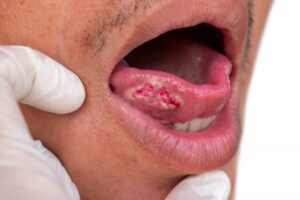
Oral cancer is a serious condition that can affect the lips, tongue, cheeks, floor of the mouth, and throat. One of the most concerning aspects of oral cancer is how quickly it can progress if left untreated. While the exact speed of spread varies from person to person, early detection is critical for improving outcomes.
How Quickly Does Oral Cancer Develop?
Oral cancer doesn’t usually appear overnight. It often begins as subtle changes in the tissues of the mouth—such as small sores, red or white patches, or lumps—that may go unnoticed at first.
However, once cancerous cells begin to grow, they can multiply and spread over weeks to months. In some cases, oral cancer can progress rapidly, especially if it’s aggressive or diagnosed at a later stage.
How Oral Cancer Spreads
Like many cancers, oral cancer can spread in two main ways:
- Local spread: The cancer grows into nearby tissues, affecting surrounding areas of the mouth and throat.
- Metastasis: Cancer cells travel through the lymphatic system or bloodstream to other parts of the body, such as the lymph nodes, lungs, or other organs.
The speed of this spread depends on factors like the type of cancer, its location, and your overall health.
Factors That Influence Progression
Several factors can affect how quickly oral cancer spreads:
- Stage at diagnosis: Early-stage cancers tend to grow more slowly and are easier to treat.
- Lifestyle habits: Tobacco and heavy alcohol use can accelerate progression and worsen outcomes.
- Immune health: A weakened immune system may make it harder for the body to fight abnormal cell growth.
Because symptoms can be mild in the early stages, regular dental checkups play a key role in catching potential issues early.
Warning Signs to Watch For
Being aware of symptoms can help you seek care sooner. Signs that shouldn’t be ignored include:
- A sore that doesn’t heal within two weeks.
- Persistent mouth pain or difficulty swallowing.
- Lumps or thickened areas in the mouth.
- Unexplained bleeding or numbness.
If you notice any of these changes, it’s important to have them evaluated promptly.
The Importance of Early Detection
When detected early, oral cancer is much more treatable and has a significantly higher survival rate. Dentists often perform routine oral cancer screenings during checkups, which can help identify suspicious areas before they become advanced.
The speed at which oral cancer spreads can vary, but it has the potential to progress quickly if left untreated. That’s why early detection and prompt treatment are so important. Staying aware of changes in your mouth, maintaining regular dental visits, and avoiding risk factors like tobacco can make a meaningful difference. If something doesn’t feel right, don’t wait; getting it checked early could save your life.
About the Practice
Early detection is key when it comes to stopping the spread of oral cancer; that’s why preventive care is so important, and we’re happy to provide it here at Drennan Family Dentistry. Oral caner screenings are included in our services, as well as routine checkups and cleanings. If it’s been 6 months or longer since your last dental visit, go ahead and book online or call (817) 732-5522.